
Traditional Herbs & Spices Guide
Explore our comprehensive collection of time-tested herbs and spices used in everyday wellness across generations
From immune-boosting turmeric to digestive ginger, discover how traditional herbs have supported health and vitality for centuries. Browse our complete guide to incorporating these natural remedies into your daily routine.
Browse by Category
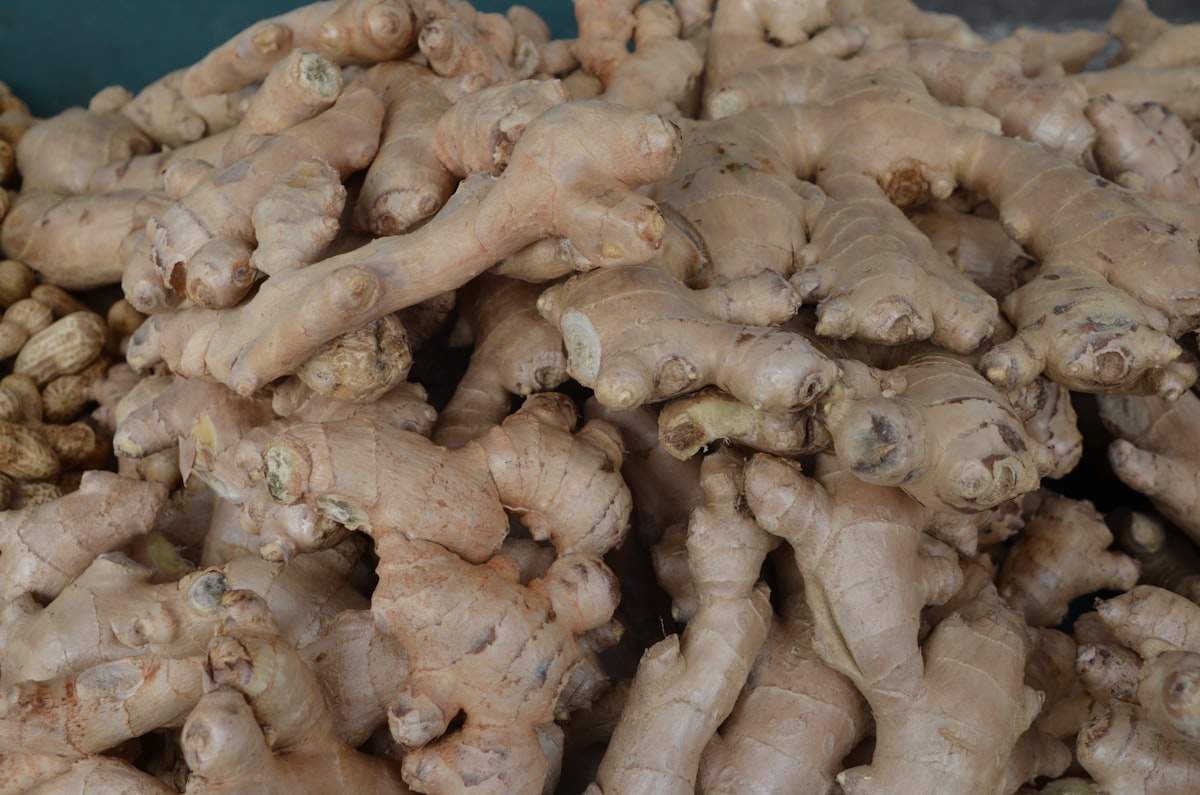
Turmeric
Golden turmeric is revered for its powerful compound curcumin, which has been valued in traditional medicine for reducing inflammation and supporting joint health. Commonly used in Filipino and Asian wellness practices, turmeric pairs beautifully with black pepper to enhance absorption and effectiveness in daily meals.
Learn More →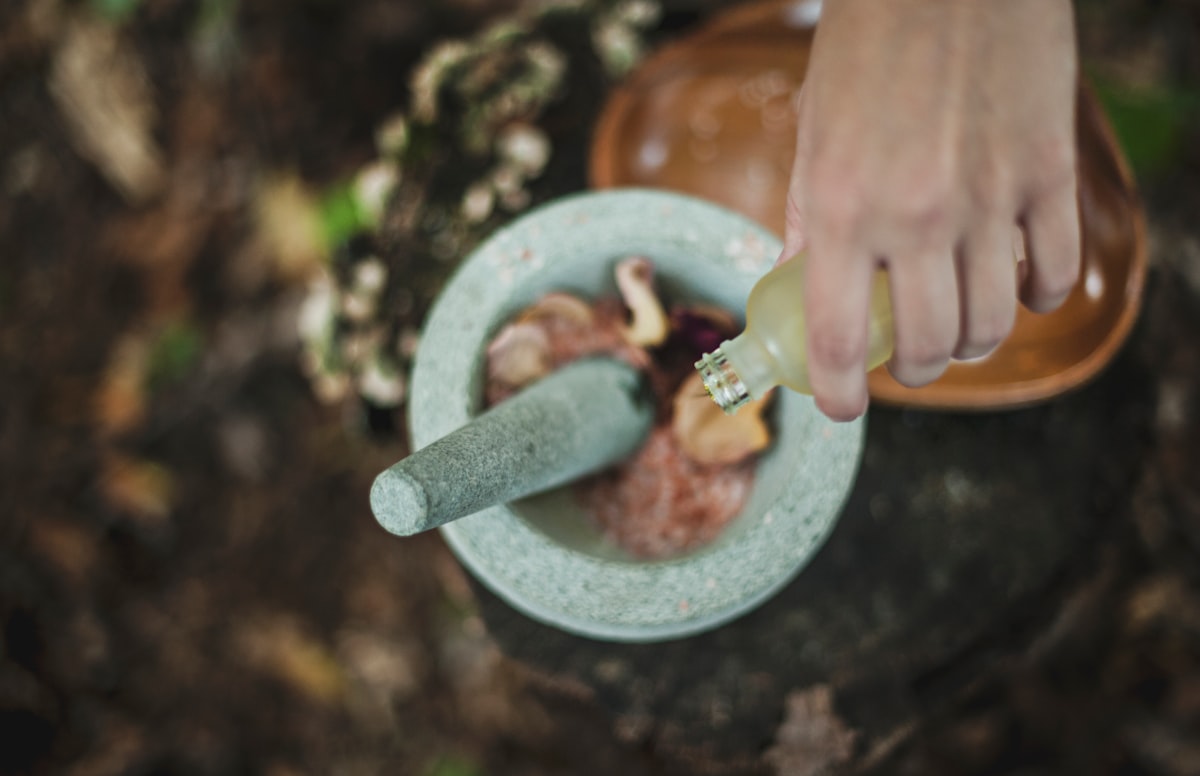
Ginger
Fresh and warming ginger has long been a staple in traditional Filipino cuisine and folk medicine. Prized for its ability to settle the stomach, improve digestion, and ease discomfort, ginger is also valued for its warming properties and natural pungency that awakens the senses during cooler months.
Learn More →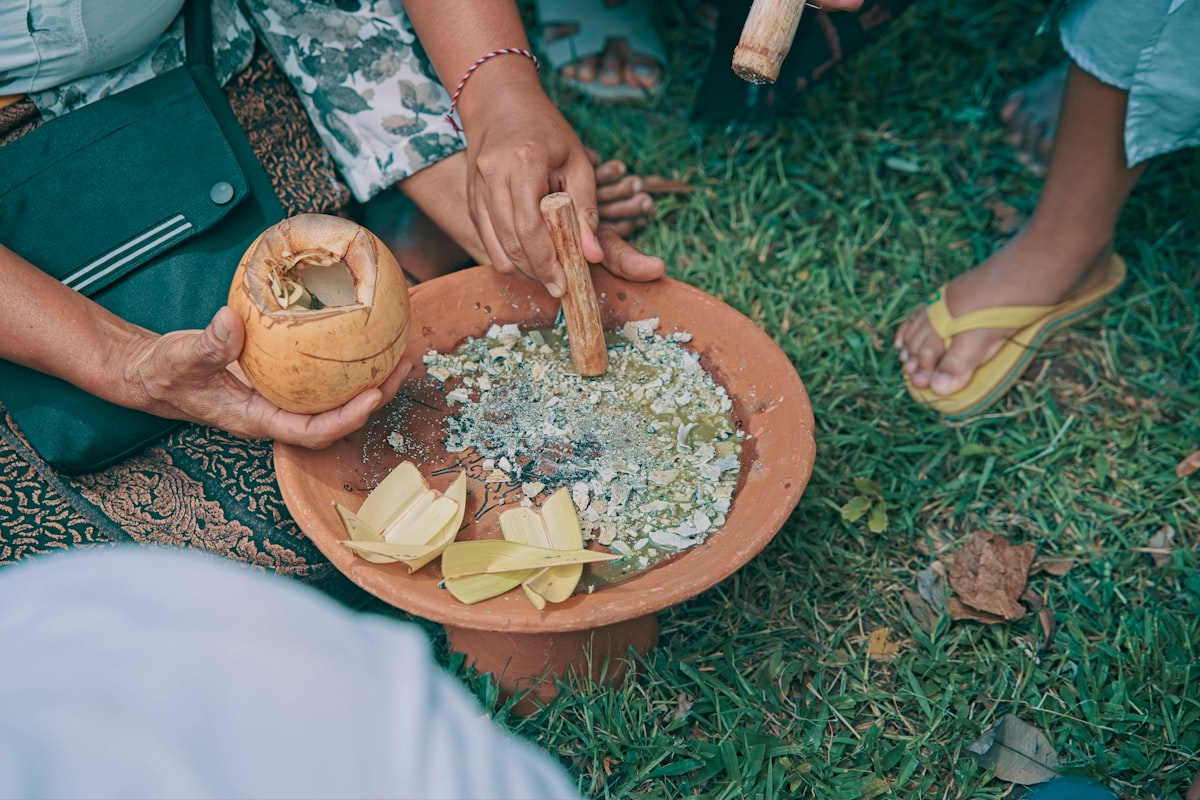
Garlic
Pungent and protective, garlic has been used across Philippine households for generations to support immune function and cardiovascular health. Rich in sulfur compounds, garlic adds depth to everyday cooking while offering traditional wellness benefits that have made it an indispensable ingredient in Filipino home remedies.
Learn More →
Cinnamon
Warm and aromatic cinnamon has been treasured for centuries in traditional medicine across Asia and beyond. Known for its blood sugar balancing properties and natural sweetness, cinnamon provides comfort and wellness support in everything from morning beverages to baked goods, making everyday nutrition both pleasurable and health-conscious.
Learn More →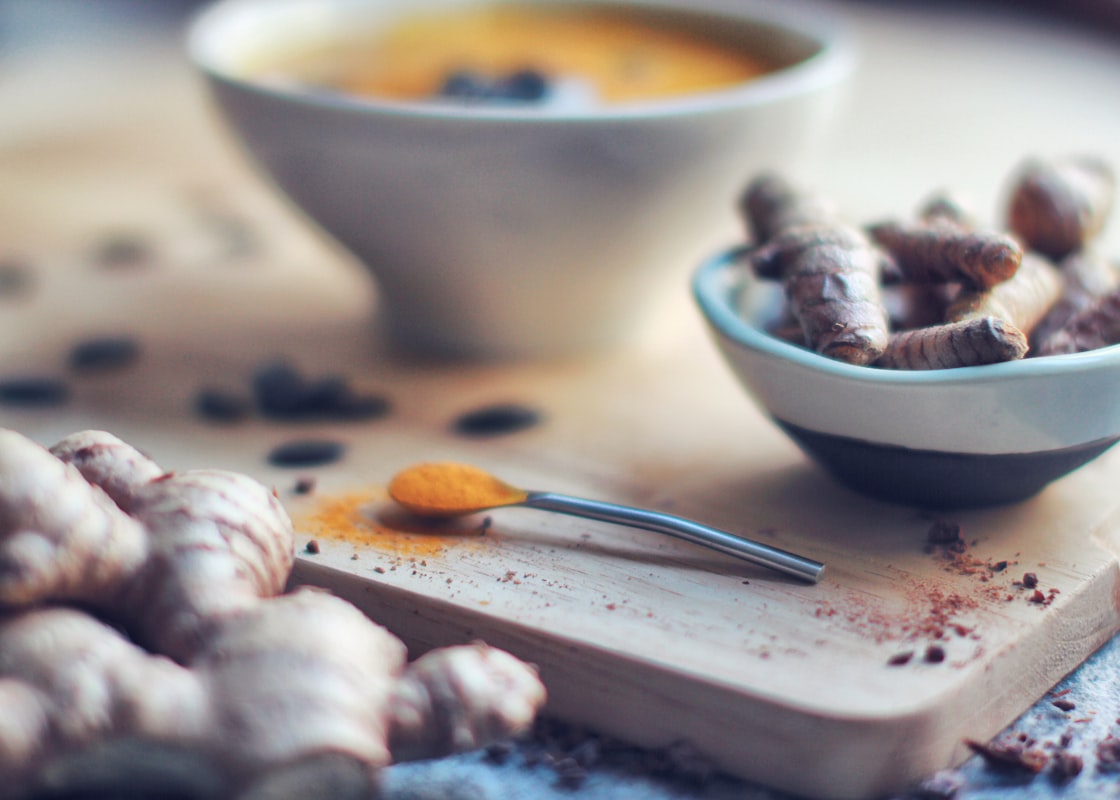
Holy Basil
Sacred in many Asian wellness traditions, holy basil (tulsi) is celebrated for its adaptogenic qualities that help the body manage stress and maintain energy balance throughout the day. Aromatic and slightly peppery, this herb has been used in traditional tea ceremonies and daily wellness practices across generations for its calming yet invigorating effects.
Learn More →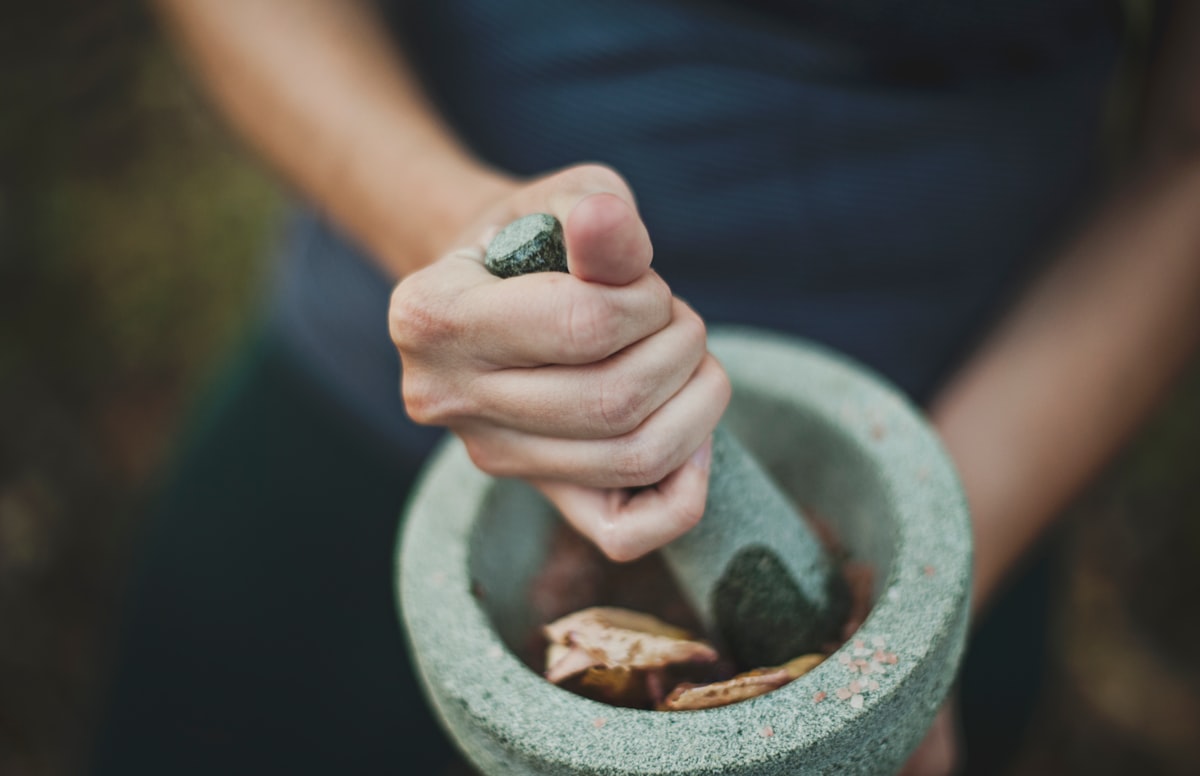
Black Cumin Seeds
Tiny but mighty black cumin seeds have been valued in traditional medicine across the Middle East, South Asia, and now increasingly in the Philippines for their digestive support and overall wellness properties. With a slightly bitter, nutty flavor, these seeds blend seamlessly into rice dishes and broths while offering time-tested nutritional benefits.
Learn More →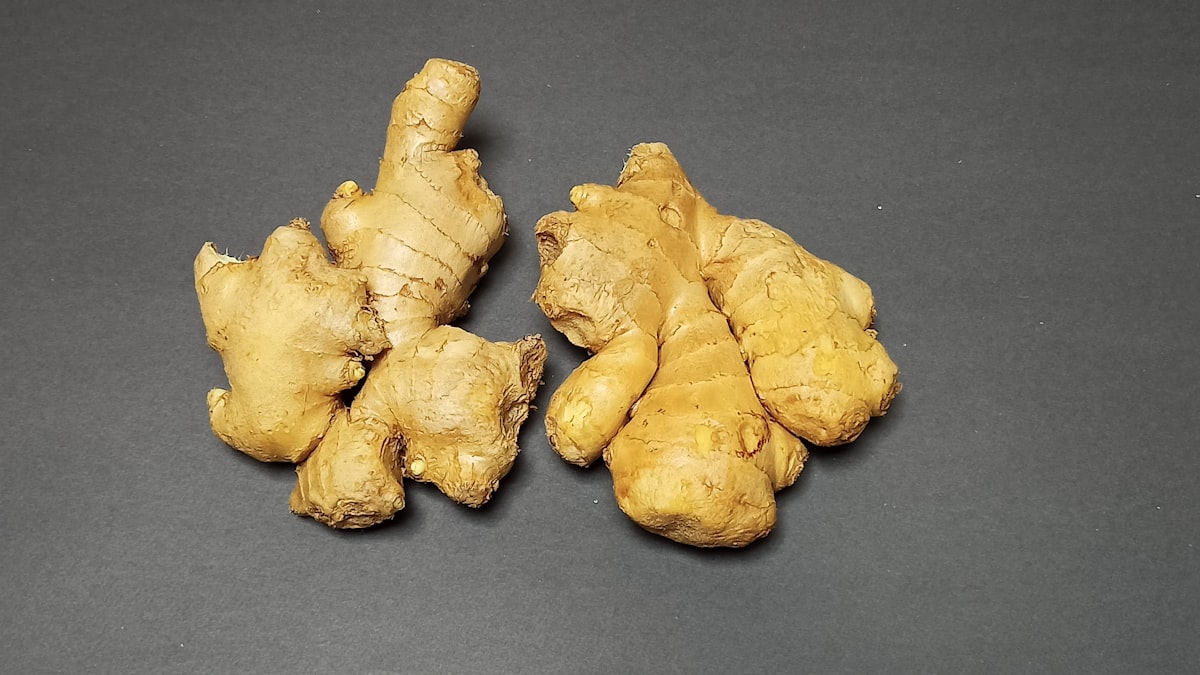
Chamomile
Delicate and soothing chamomile flowers have been brewed into calming teas across cultures for centuries to promote relaxation and gentle sleep. With its mild apple-like scent and naturally sweet taste, chamomile offers an accessible way to incorporate herbal wellness into evening routines, supporting the body's natural wind-down process without harshness.
Learn More →
Licorice Root
Sweet and deeply nourishing, licorice root has been cherished in traditional Asian medicine for its ability to soothe the digestive tract and support respiratory wellness. Often used in herbal decoctions and tonics, this root adds natural sweetness while delivering traditional wellness support that has made it a cornerstone of time-honored healing practices.
Learn More →
Elderberry
Deep purple elderberries have been used across European and Asian traditional medicine to support immune resilience during seasonal transitions. Rich in antioxidants and anthocyanins, these berries offer potent wellness benefits in syrups, teas, and tinctures, bringing ancestral knowledge into contemporary wellness practices for the whole family.
Learn More →How Traditional Herbs Support Daily Wellness
For generations, communities across the Philippines and Asia have relied on time-honored herbs and spices to support health and vitality. These botanical allies work in harmony with the body's natural systems, offering gentle yet effective wellness support without the complexity of modern pharmaceuticals.
Whether addressing digestive comfort, supporting immune function, or promoting relaxation, traditional herbs bring accessibility and wisdom to everyday health. Integrated into meals, brewed as teas, or used in home remedies, these plants have earned their place through centuries of use and observation.
Naturally Accessible: Grow in home gardens or available at local markets, making wellness support affordable and immediate
Time-Tested Wisdom: Documented use across centuries and cultures provides a wealth of practical knowledge for everyday application
Culinary Integration: Seamlessly blend into favorite recipes and meals, transforming nutrition into a pleasurable daily practice

Wellness Qualities of Traditional Herbs
Immune Support
Many traditional herbs contain compounds that help activate and strengthen the body's natural defense systems, from garlic and ginger to elderberry and turmeric.
Digestive Ease
Herbs like ginger, black cumin, and licorice have been used across cultures to support comfortable digestion, reduce bloating, and promote nutrient absorption.
Anti-Inflammatory
Turmeric, cinnamon, and holy basil offer traditionally valued compounds that may help reduce inflammation throughout the body and support joint comfort.
Relaxation & Rest
Chamomile, holy basil, and licorice gently support the nervous system, helping the body transition to rest and maintain peaceful sleep cycles.
Frequently Asked Questions
Begin with one or two herbs that appeal to you—ginger tea for digestion, turmeric in rice, or chamomile before bed. Start with small amounts to allow your body to adjust, then increase gradually. Most traditional herbs are safe for daily use, though individual responses vary. If you take medications or have health conditions, consult appropriate healthcare resources before significant dietary changes.
Many traditional herbs thrive in tropical and subtropical climates like the Philippines. Turmeric, ginger, garlic, and holy basil grow well in Filipino gardens with proper drainage and sunlight. Chamomile and elderberry prefer cooler seasons but can be cultivated during dry months. Starting with seeds or rhizomes from local markets ensures varieties already adapted to your region, and connecting with local gardeners offers valuable knowledge about timing and techniques.
Fresh herbs like ginger and holy basil store best in cool, dark places or the refrigerator in paper towels. Dried herbs should be kept in airtight containers away from light, heat, and moisture—a cool cupboard or pantry works well. Properly stored dried herbs maintain potency for 6-12 months. Roots like turmeric and licorice keep longest, while flower petals like chamomile require careful sealed storage. Label containers with dates to track freshness and replace regularly for optimal benefits.
While most traditional herbs are safe for everyday use in culinary amounts, certain conditions merit caution. Pregnant or nursing individuals should consult healthcare providers about specific herbs. Those taking blood thinners should be aware of high-dose turmeric or garlic use. Licorice in excess may affect blood pressure. Individual sensitivities vary—start gradually and listen to your body's responses. Our disclaimer page provides additional information on responsible herb use and when professional guidance is appropriate.
Culinary use involves adding herbs to meals in seasoning amounts—convenient and enjoyable daily integration. Medicinal preparations like teas, decoctions, and tinctures concentrate active compounds for specific purposes. A pinch of turmeric in curry differs from a strong turmeric tea. Both approaches have merit in traditional practice; culinary integration supports long-term wellness through regular exposure, while concentrated preparations offer targeted support during specific wellness goals. Understanding this distinction helps you choose the approach that fits your lifestyle and intentions.
Quality herbs display vibrant color, strong aroma, and no signs of mold or decay. Purchase from reputable local markets, trusted vendors, or sources known for quality standards. Dried herbs should crumble easily and release fragrance when handled. For imported herbs, look for clear sourcing information and storage dates. Building relationships with vendors who understand herb quality helps ensure you're receiving authentic, potent botanicals. Organic or pesticide-free options provide additional assurance for those prioritizing purity in their wellness practices.
Herb Preparation & Garden Gallery

Drying & Preservation
Traditional air-drying methods preserve the potency and flavor of fresh herbs. Tie bundles, hang in shade, and store once completely dry to maintain quality through seasons.

Grinding & Infusing
Fresh-ground herbs release maximum flavor and active compounds. Mortar and pestle work beautifully for small batches, while decoctions and teas unlock warming, soothing benefits.
What Our Readers Share
"Your guide to turmeric completely changed how I approach my daily wellness. I never realized how simple it was to add this powerful herb to my meals. Six months of consistent use, and I've noticed a real difference in how I feel. Thank you for making traditional knowledge so accessible for someone like me from Manila."
Maria Santos
Quezon City
"As someone interested in traditional wellness, this site has been invaluable. The articles on ginger and its digestive benefits helped me develop a routine that actually works. I love that everything is grounded in generations of use, not just marketing. Finally, a resource I can trust and share with my family in Cebu."
Ramon Flores
Cebu City , Philippines
Ready to Embrace Traditional Comfort?
Discover time-tested remedies and wellness practices passed down through generations. Join our community of people who trust tradition.
Frequently Asked Questions
Traditionsaltedcomfort
Honoring centuries of wellness wisdom through authentic, traditional remedies.
Explore
Support
© 2026 Traditionsaltedcomfort. All rights reserved. Honoring tradition, embracing wellness.