
Ancient Wisdom Meets Modern Wellness
Discover how traditional herbs and spices have been trusted for generations to support everyday health and vitality. Our editorial mission is to explore the science, history, and practical wisdom behind these timeless remedies used daily across the Philippines and beyond.
Herb & Spice Visual Journey
From golden turmeric fields to aromatic ginger roots, each herb and spice carries centuries of healing tradition. Browse our visual collection of the most valued ingredients in traditional wellness practices.
Turmeric: Golden Root
Revered in Asian medicine for its warming properties and vibrant color, turmeric has been a staple in daily wellness routines for over 4,000 years.
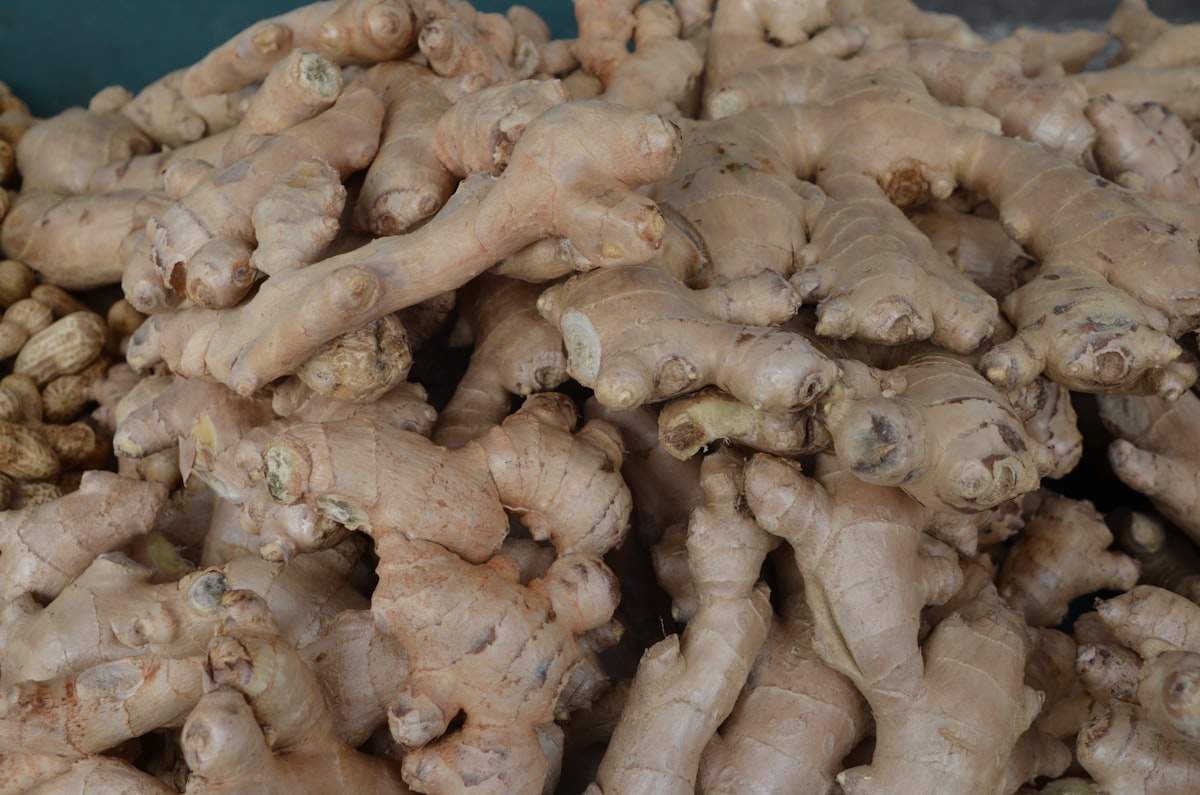
Ginger: Warming Spice
Known for its zesty flavor and soothing warmth, ginger has been documented in traditional texts as a cornerstone of digestive wellness across many cultures.
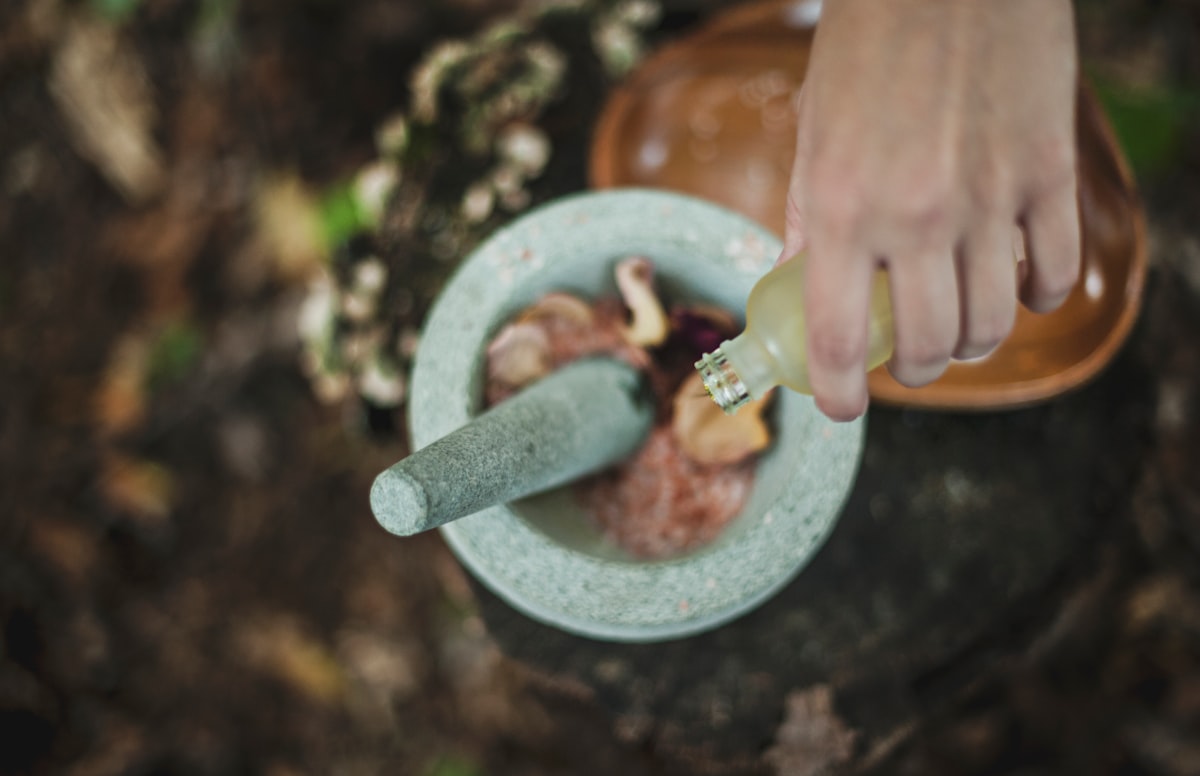
Cinnamon: Sweet Balance
This aromatic bark has graced kitchens worldwide, offering both delightful flavor and a rich history in traditional health practices dating back centuries.
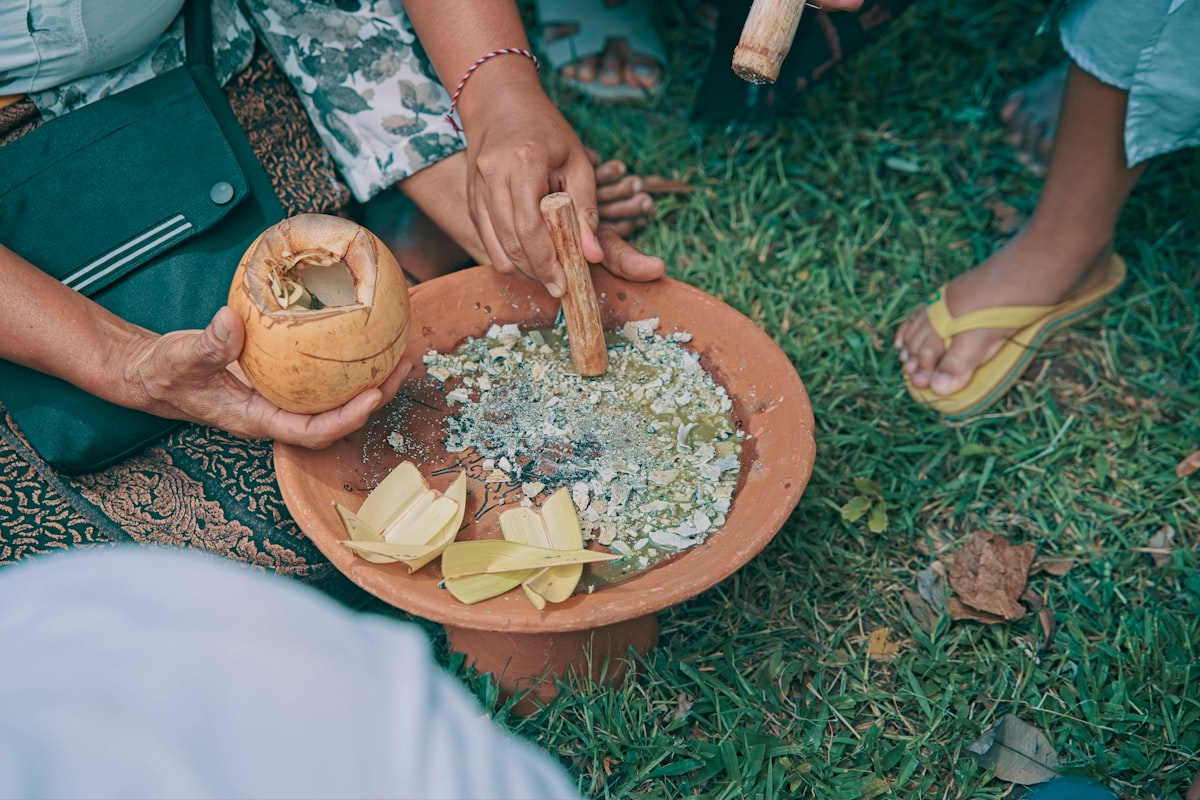
Holy Basil: Sacred Herb
Revered across Southeast Asia, holy basil holds a special place in daily wellness traditions and continues to be valued for its distinctive aromatic properties.
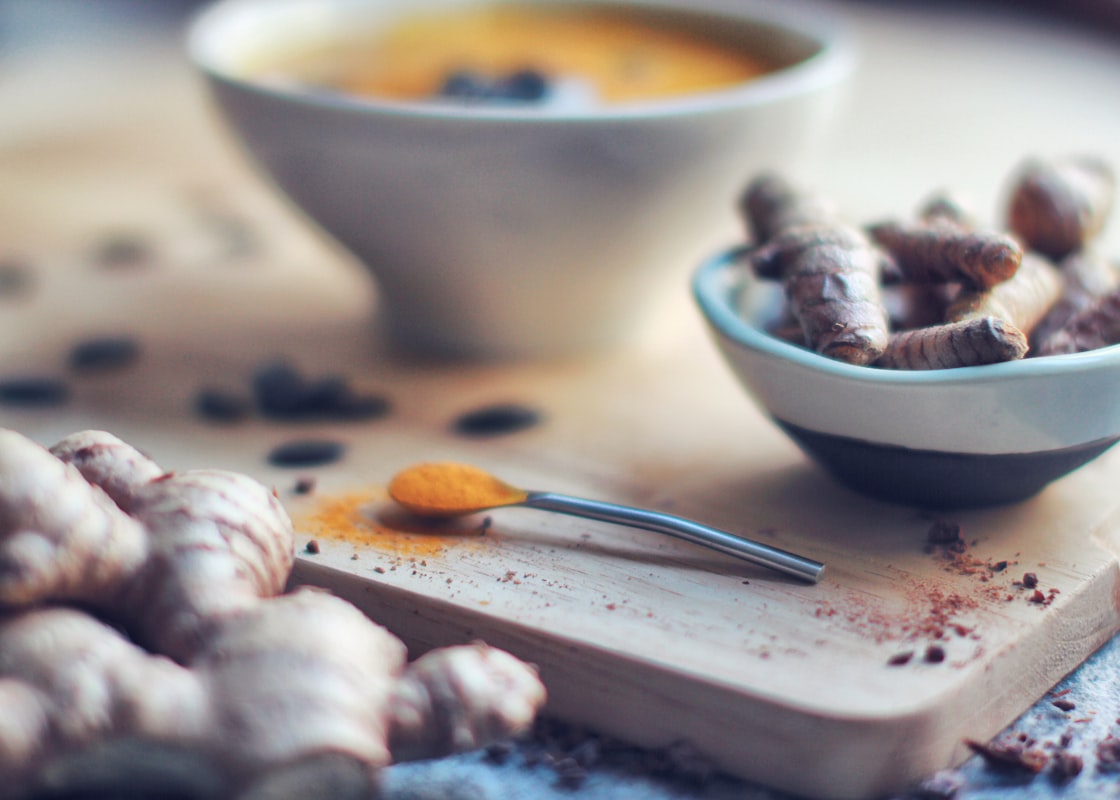
Black Pepper: Universal Spice
Often called the king of spices, black pepper has been traded along ancient routes and valued in wellness traditions for enhancing the benefits of other herbs.
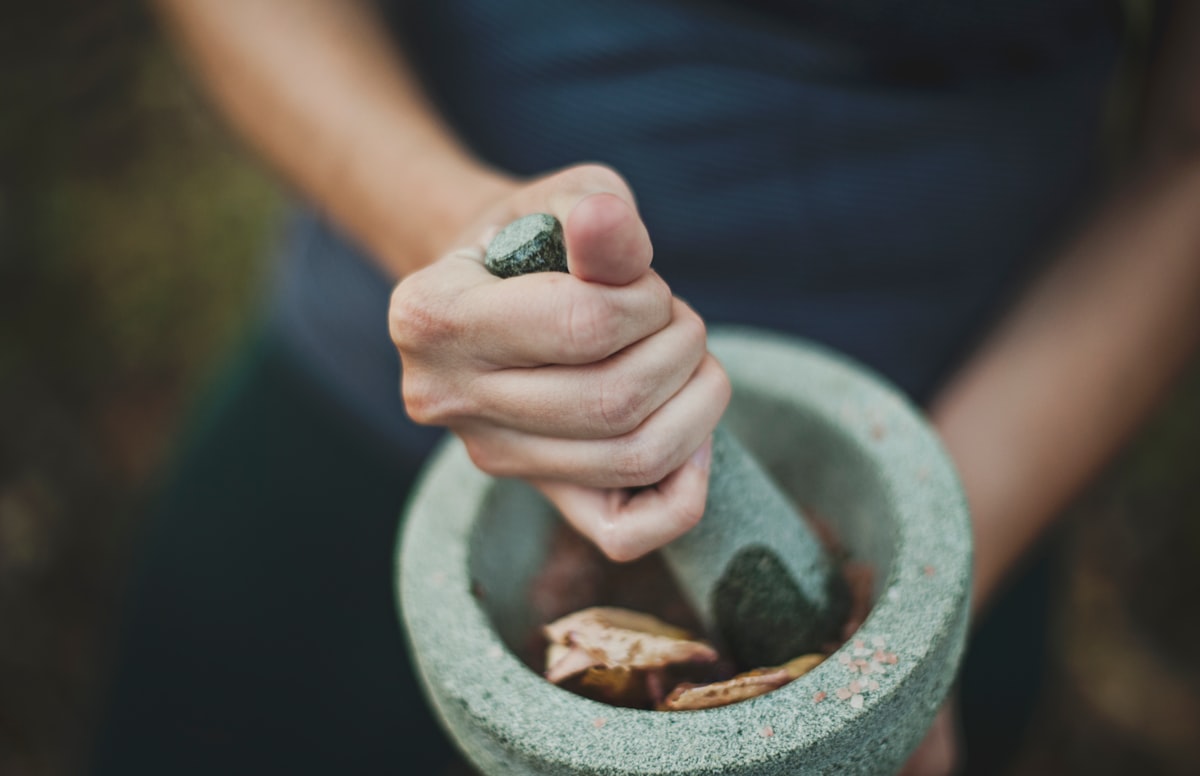
Garlic: Strength Builder
A cornerstone of Filipino and Asian kitchens, garlic has long been celebrated in traditional wellness knowledge as a powerful ally for everyday health routines.
Turmeric: Golden Root of Healing
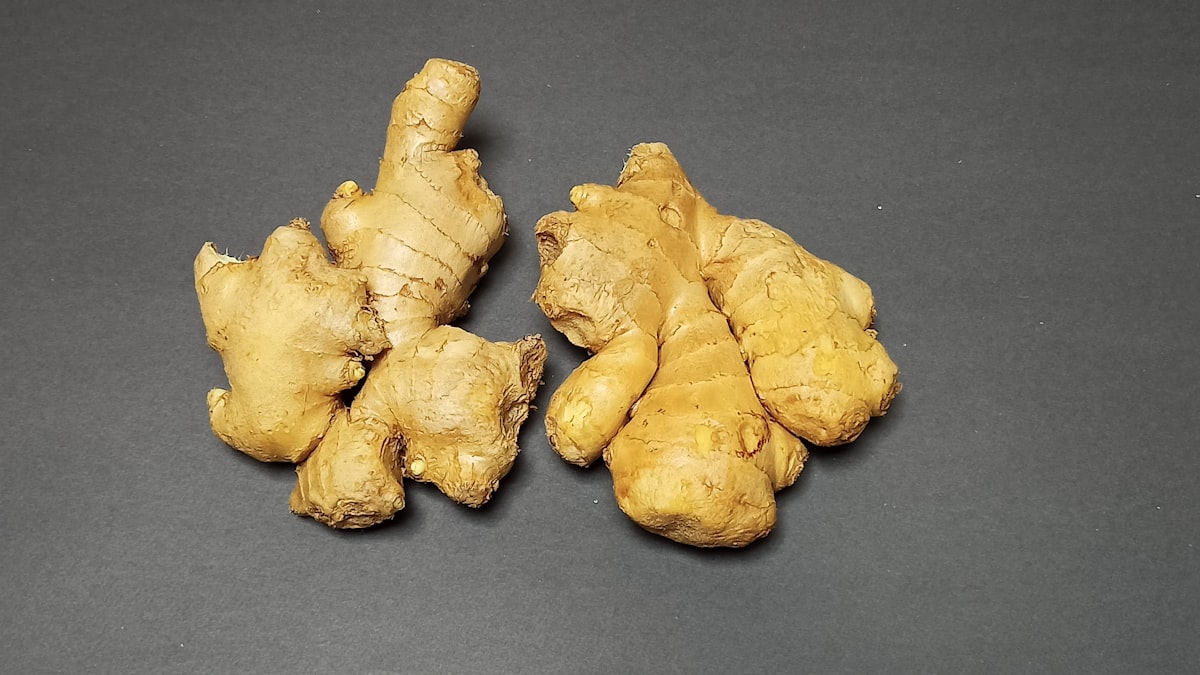
The Ancient Wonder Spice
Turmeric has been a cornerstone of traditional wellness practices for thousands of years, particularly across India, Southeast Asia, and the Philippines. Its distinctive golden hue comes from curcumin, a compound that has captured the attention of researchers and wellness enthusiasts alike.
In everyday use, turmeric appears in golden milk drinks, rice dishes, soups, and wellness teas. The spice's warm, slightly bitter flavor complements both sweet and savory preparations, making it a versatile addition to daily meals.
- Traditional Use: Documented in Ayurvedic texts and Asian wellness traditions for over 4,000 years
- Daily Integration: Easily incorporated into breakfast rice, soups, teas, and evening beverages
- Cultural Significance: Essential ingredient in Filipino, Indian, and Asian wellness practices across generations
- Bioavailability: Traditionally paired with black pepper to enhance its absorption in the body
Four Key Features of Everyday Herb Wellness
Traditional herbs and spices offer distinct advantages when incorporated into daily routines. Learn how these natural ingredients support wellness through accessible, time-tested methods.
Natural Origins
Herbs and spices are whole plant materials used in their natural form, free from synthetic processing. They come directly from soil, sun, and traditional farming practices passed down through generations.
Time-Tested Wisdom
Documented in ancient wellness texts and continuously used across cultures for thousands of years. This historical track record provides a foundation of practical knowledge available to anyone seeking everyday wellness solutions.
Easy Integration
Herbs and spices blend seamlessly into daily meals—breakfast rice, lunch soups, dinner curries, and evening teas. No special preparation required; simply cook and enjoy as part of regular cuisine.
Global Accessibility
Available in markets, stores, and gardens throughout the Philippines and worldwide. These ingredients are affordable, commonly found, and part of everyday household supplies for millions.
How to Build Your Herbal Wellness Routine
Start with the Basics
Begin by selecting 3-4 herbs you already use or enjoy—turmeric, ginger, garlic, and cinnamon are excellent starting points. No need to overhaul your pantry; work with what's familiar and accessible in your local markets.
Incorporate Into Daily Meals
Add herbs and spices to breakfast rice, lunch soups, dinner curries, or evening teas. The goal is consistency—using these ingredients regularly as part of your normal cooking and eating habits, not as separate supplements or treatments.
Learn Traditional Methods
Explore how your family and community have used these herbs for generations. Ask elders about traditional preparations—golden milk, herbal teas, wellness broths—and the stories behind their use. This knowledge connects you to cultural wellness practices.
Observe and Adjust
Pay attention to how you feel as you include these herbs regularly in your diet. Everyone's body responds differently, and part of traditional wellness wisdom is understanding which herbs work best for your individual constitution and lifestyle.
Essential Herbs for Your Pantry
Turmeric
The golden spice used across Asian wellness traditions. Add to rice, curries, morning teas, and soups. Often paired with black pepper to enhance how the body processes its active compounds.
Ginger
Warming and spicy, ginger is a staple in soups, teas, and stir-fries. Fresh or dried, this root adds both flavor and traditional wellness support to everyday meals and beverages.
Cinnamon
Sweet and aromatic, cinnamon appears in rice dishes, teas, desserts, and traditional wellness preparations. A versatile spice that bridges cooking and everyday wellness routines.
Holy Basil
Sacred in Asian traditions, holy basil (tulsi) brings distinctive flavor to teas and dishes. Brewed as tea or added fresh to meals, it's a centerpiece of Southeast Asian wellness culture.
Black Pepper
The universal spice that enhances the benefits of other herbs. A pinch added to turmeric, ginger teas, and meals supports how the body processes traditional wellness ingredients.
Garlic
A cornerstone of Filipino and Asian cooking, garlic appears in nearly every savory dish. Fresh, fried, or roasted, it combines culinary pleasure with deep traditional wellness roots.
Qualitative Impact: What Readers Experience
Holistic Daily Wellness
When herbs and spices are used consistently as part of regular cooking, readers report a sense of connection to traditional wellness practices. This integration supports the body's natural rhythms through everyday meals rather than external interventions.
Cultural Connection
Learning the history and traditional uses of herbs deepens your relationship with your heritage. Many readers discover that their grandparents and ancestors used these exact ingredients for the same wellness purposes, bridging generations through food and practice.
Practical Accessibility
Unlike complex wellness systems, herbs and spices are already in your kitchen, available in every market, and affordable. Readers appreciate that wellness doesn't require special products—just thoughtful use of everyday ingredients.
Flavor Meets Tradition
Food becomes medicine when approached with intention. Readers enjoy discovering how the same spices that have pleased their palate for years also carry wellness properties documented in ancient texts—making every meal a mindful practice.
Stories from Our Community
"I started adding turmeric to my morning rice after reading about its traditional use, and I'm amazed at how something so simple can be part of my daily routine. My family notices I'm more energetic, and we all enjoy the golden color it brings to our meals. It's not a miracle—it's just how my ancestors ate, and now I understand why."
Maria Santos
Cebu City
"Learning about ginger and black pepper together was a game-changer. I brew them into tea every evening, and it's become my favorite part of the day. The articles helped me understand not just what to use, but why it matters. It feels like reconnecting with something ancient and true."
Ramon Villarosa
Davao
Common Questions About Daily Herb Use
Below are answers to questions our readers frequently ask about incorporating traditional herbs and spices into everyday wellness routines.
Traditional use varies by p>Traditional use varies by region and individual health needs. A common recommendation is 1/4 to 1/2 teaspoon of turmeric powder daily, which can be easily incorporated into curries, soups, or warm milk. Always consult with a healthcare provider before making significant dietary changes.
While traditional herbs are generally safe when used appropriately, some people may experience mild digestive sensitivity. It's important to start with small amounts and monitor how your body responds. Pregnant women and those on medications should consult a healthcare professional before incorporating new herbs into their routine.
Look for reputable suppliers who specialize in traditional herbs and spices. Our Traditionsaltedcomfort collection features ethically sourced herbs verified for quality and purity. Check for certifications and read customer reviews to ensure you're getting authentic, high-quality products.
What Our Community Says
"Traditionsaltedcomfort helped me reconnect with my grandmother's wellness recipes. The quality is exceptional and I feel the difference in my energy levels."
- Maria S.
"I've been using these herbs for three months now and my family loves the authentic flavors. It's wonderful to bring traditional wellness practices back to our dinner table."
- James T.
"The customer service is outstanding and the products arrive fresh. I recommend Traditionsaltedcomfort to all my friends who care about natural wellness."
- Sarah K.
Ready to Embrace Traditional Wellness?
Discover our curated collection of authentic herbs and spices. Start your wellness journey today with Traditionsaltedcomfort.