
Ancient Wisdom Meets Modern Wellness
Discover how traditional herbs and spices have sustained Filipino communities for generations. Learn evidence-based insights into their everyday health benefits, rooted in centuries of cultural practice and contemporary wellness research.
Why Traditional Herbs Matter Today
In our modern world of synthetic supplements and quick fixes, the time-tested remedies of traditional culture offer a grounded, accessible approach to everyday wellness. These aren't folk tales—they're living practices backed by growing scientific interest.
Natural & Accessible
Herbs and spices are part of everyday cooking and home remedies in Philippine kitchens. They're affordable, locally sourced, and woven into family traditions passed down through generations.
Research-Backed
Modern science continues to study compounds in turmeric, ginger, garlic, and other traditional ingredients. We explore what research reveals about their effects on inflammation, digestion, immunity, and overall wellness.
Holistic Wellness
Rather than isolated treatments, traditional herbs work as part of a whole-life approach to health. We discuss how diet, habit, and mindful use of herbs come together in everyday wellness.
Herb & Spice Collection Showcase
Explore the most valued herbs and spices used in traditional Filipino wellness practices. Each has a unique profile of benefits and uses in everyday life.
Turmeric
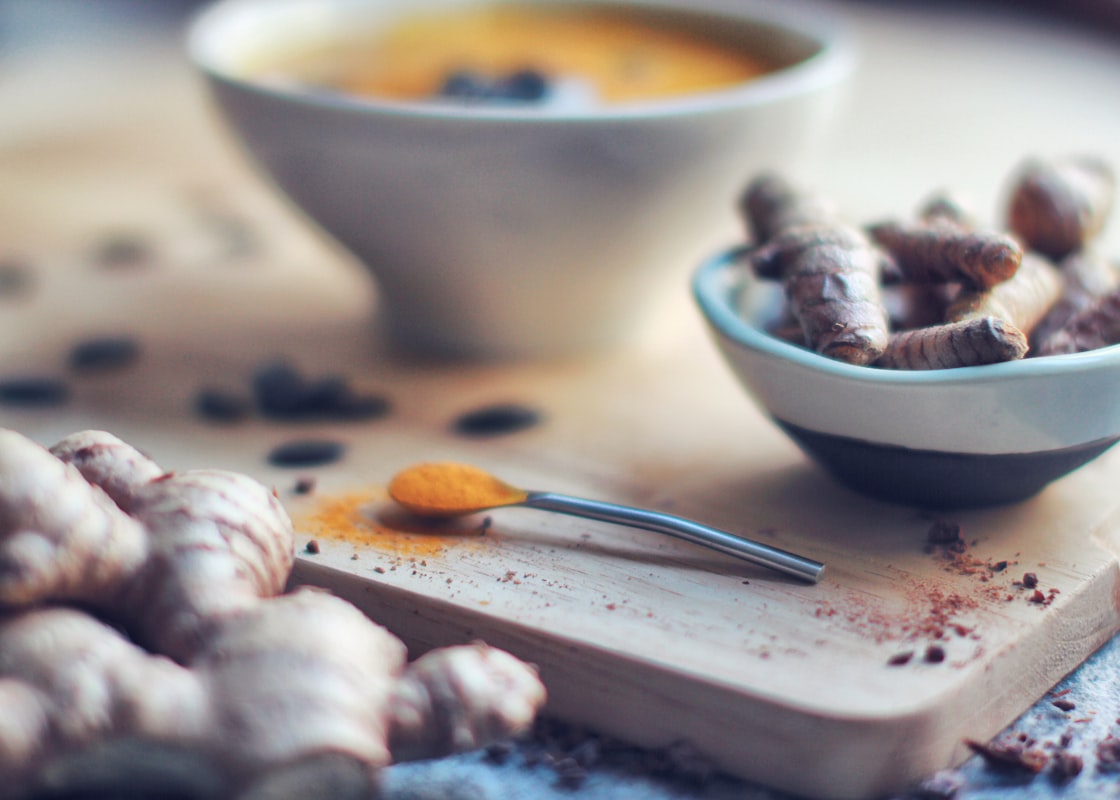
Golden and warm, turmeric contains curcumin—a compound studied for its effects on inflammation and joint comfort. A staple in traditional wellness and modern research alike.
Learn more →
Ginger
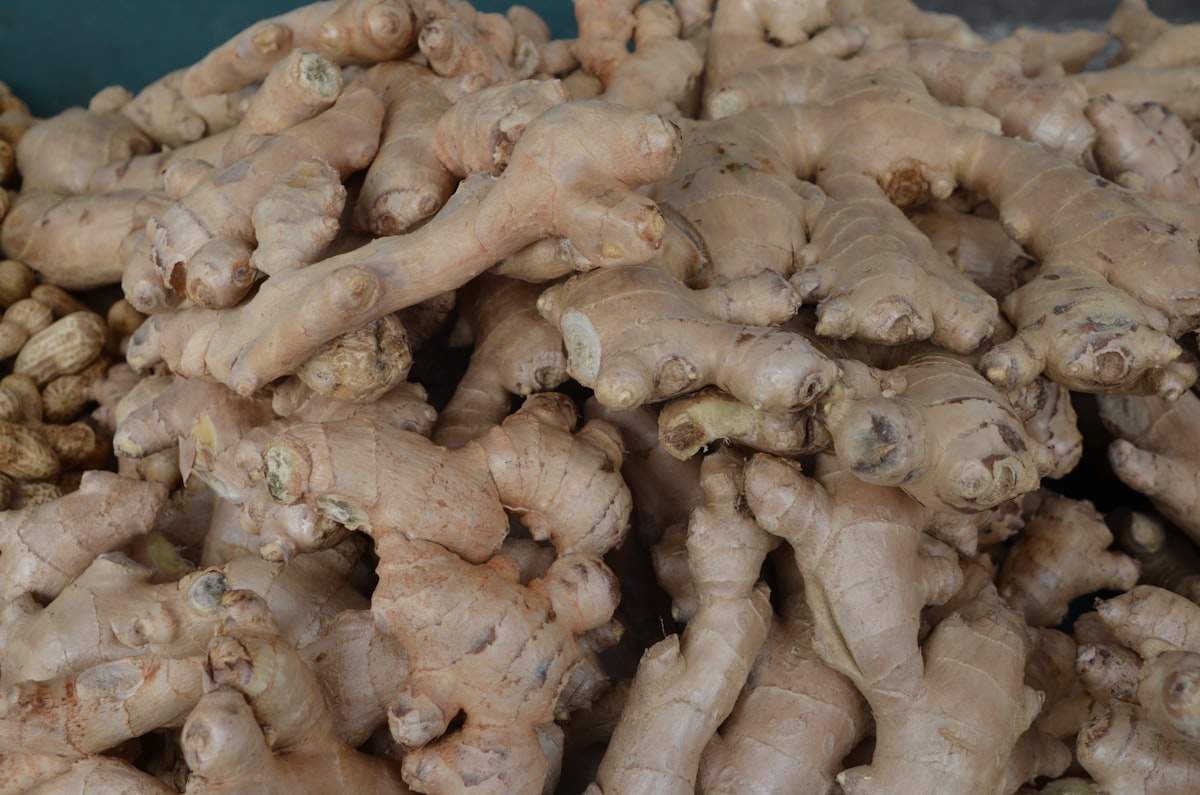
Warming and pungent, ginger has been used for centuries to support digestion and ease discomfort. Its compounds are the focus of ongoing wellness research and culinary traditions worldwide.
Learn more →
Garlic
Powerful and pungent, garlic is fundamental to Filipino cooking and traditional health practice. Its compounds support cardiovascular wellness and immune function in everyday use.Learn more →
Cinnamon
Sweet and aromatic, cinnamon has long been valued for supporting healthy blood sugar and adding warmth to wellness routines. Modern studies explore its potential in everyday dietary practice.
Learn more →
Bay Leaf
Subtle and aromatic, bay leaves are a kitchen staple that supports digestion when added to soups and stews. Traditional wisdom values them for their calming properties in everyday wellness.
Learn more →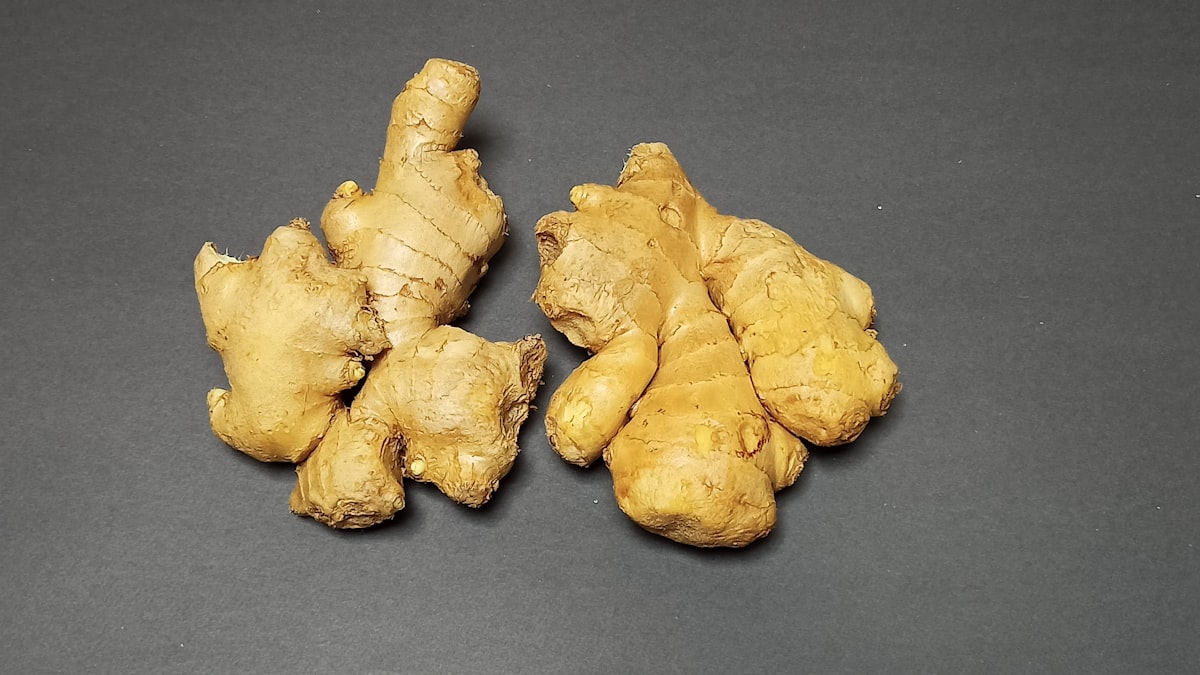
Black Pepper
Sharp and warming, black pepper enhances nutrient absorption and digestion. When paired with turmeric and other herbs, it boosts their effectiveness in traditional wellness preparation.
Learn more →Your Journey to Better Health: 5 Simple Steps
Incorporating traditional herbs into your everyday wellness doesn't require complex rituals. Here's how to begin a practice grounded in simplicity and cultural wisdom.
Learn the Basics
Start by reading about herbs you already use in your kitchen—turmeric in rice, ginger in tea, garlic in everyday cooking. Understanding their traditional uses and modern research gives context to your choices.
Integrate Into Meals
Add herbs to your daily cooking. A pinch of turmeric in soups, fresh ginger in tea, cinnamon in oatmeal. These small, regular doses align with how traditional cultures have used these ingredients for centuries.
Notice Your Response
Pay attention to how your body feels. Many people report improved digestion, clearer thinking, or better sleep when herbs become a regular part of their routine. Keep informal notes of what you observe.
Explore New Herbs
Once comfortable with familiar herbs, explore others used in traditional wellness—oregano, thyme, basil, or lemongrass. Each brings different compounds and flavors, expanding your wellness toolkit naturally.
Develop Your Practice
As herbs become habit, you'll naturally create your own wellness rhythm. Whether it's a morning turmeric drink, evening ginger tea, or herb-rich cooking—your practice becomes a sustainable part of daily life.
Real Stories from Our Readers
People across the Philippines are rediscovering traditional herbs in their wellness routines. Here's what readers have shared about their experiences.
"Reading the articles about turmeric changed how I think about my kitchen. I started adding it to my daily cooking and appreciate learning about its traditional uses. It's amazing how these simple ingredients from the market have such clear effects when used regularly."
Maria Santos
Davao City
"I love how Traditionsaltedcomfort explains the science behind what my grandmother always knew. Ginger tea became my evening ritual, and it really has helped with my digestion. It feels right to learn these things properly and practice them with intention."
Juan Reyes
Cebu City
"The detailed articles helped me feel confident introducing herbs to my family's diet. My kids now enjoy cinnamon in their breakfast, and I appreciate that we're building wellness habits based on real tradition and real research, not trends."
Rosa Villamor
Manila
Common Questions About Herbal Wellness
We answer the questions readers ask most often about using herbs in everyday wellness.
Daily amounts vary by herb. For cooking herbs like turmeric and ginger, a pinch to a teaspoon mixed into meals is typical. For tea, a small slice of fresh ginger or half a teaspoon of dried turmeric works well. Start small and increase gradually as you notice effects. Always consult relevant health information if you're on medications, as some herbs can interact. Traditional use has established safe everyday amounts, but individual tolerance varies.
Dried herbs are more concentrated, so use less—roughly one-third the amount of fresh. Dried turmeric, ginger, and other herbs retain their active compounds well when stored in cool, dry places. Fresh herbs often have a milder, fresher flavor profile, while dried versions offer intensity. Both have roles in traditional wellness. Experiment to see which suits your taste and your body's response best.
Results vary person to person. Some people report noticing improvements in digestion or energy within days of regular use. Others take weeks to observe subtle shifts. Consistency matters more than immediacy—traditional practice emphasizes ongoing, daily use rather than quick fixes. Keep informal notes of your energy, digestion, mood, and sleep to track patterns over time.
Most culinary herbs used in traditional wellness are safe in everyday cooking amounts. However, if you're pregnant, nursing, or taking medications, some herbs may interact or not be appropriate. It's wise to check with your healthcare provider before adding large amounts of medicinal herbs, especially if you take blood thinners or blood pressure medication. Start with small amounts and observe your response.
Traditional practice doesn't always distinguish sharply between the two—herbs used in cooking are the same ones valued in wellness preparation. The difference is often one of quantity and intention. A pinch of turmeric in soup is culinary; a concentrated turmeric tea is more medicinal. Both work with the body over time. Our content explores herbs in both contexts, showing how kitchen ingredients support everyday wellness.
Local markets, public markets (palengke), and neighborhood stores across the Philippines carry fresh and dried herbs at affordable prices. Look for vibrant color and fresh aroma. Many Filipinos grow herbs in home gardens—ginger, garlic, turmeric, and bay leaves thrive in Philippine climate. Supporting local growers connects you to the traditional sources of these wellness ingredients and supports community agriculture.
Start Your Herbal Wellness Journey Today
Join our community of readers discovering how traditional herbs support everyday health. Explore research-backed articles, learn preparation methods, and build wellness habits rooted in cultural wisdom.
Join Our Community
Get updates on new articles about herbs, traditional wellness, and health insights straight to your inbox. We respect your privacy—content only, no sales.
We'll never share your email. Privacy policy